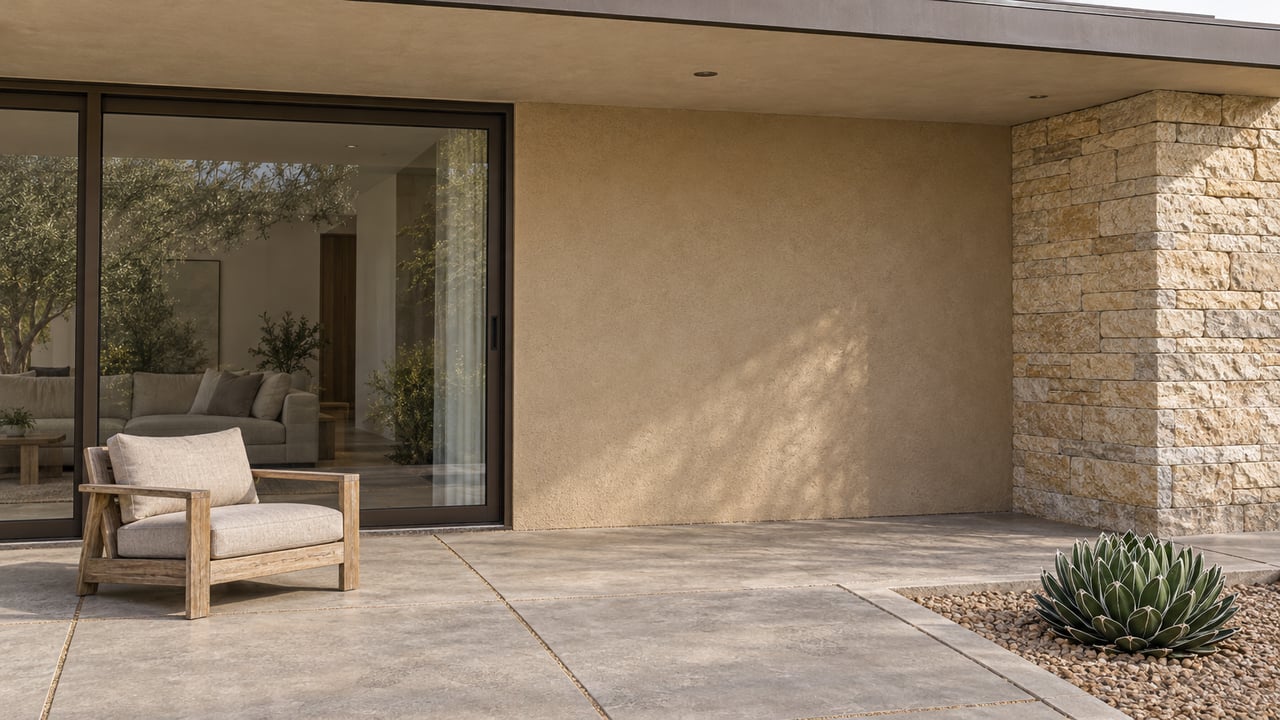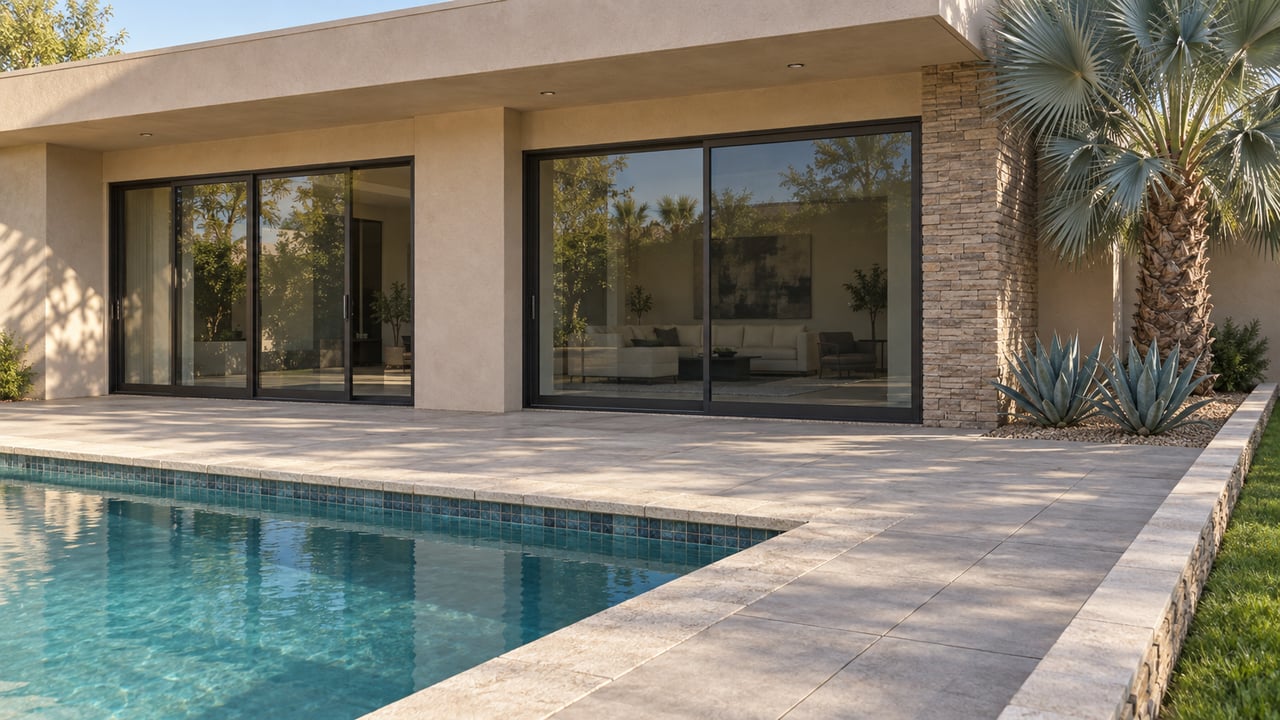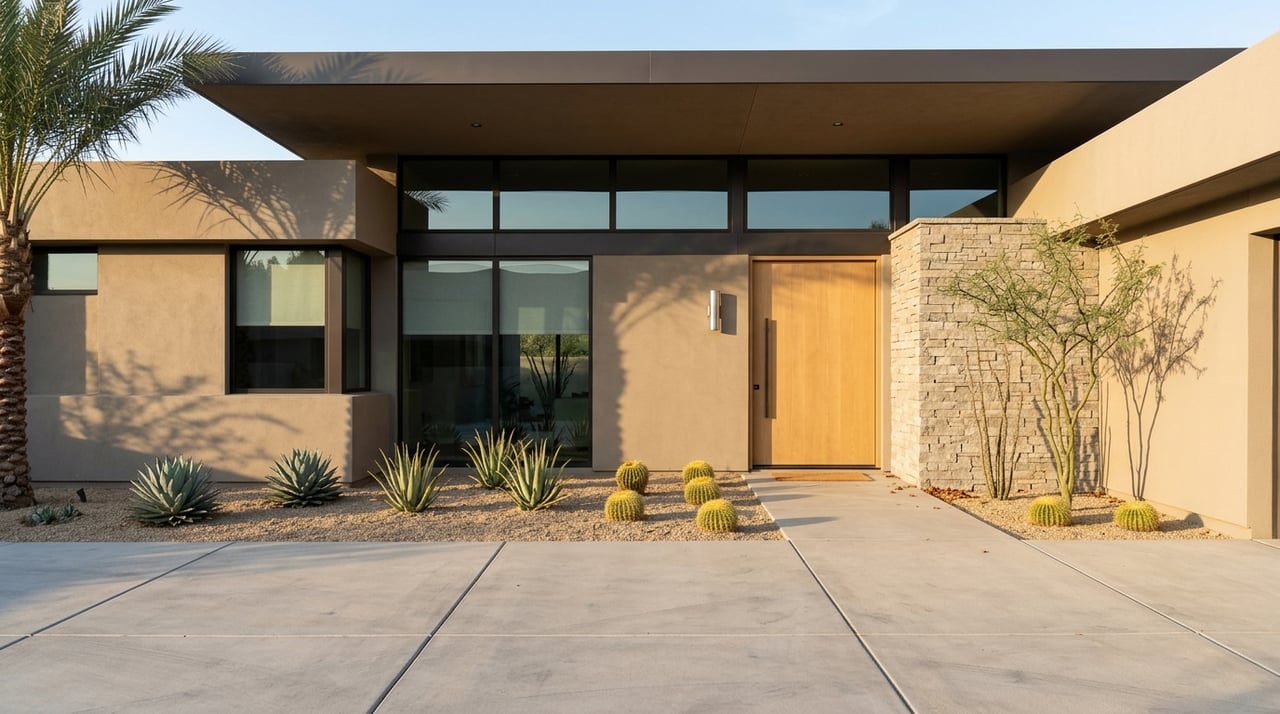
Are you picturing sunny winter mornings, patio dinners in February, and a home base that feels like a retreat for part of the year? Seasonal living in Palm Desert can deliver exactly that, but it also comes with a very real desert rhythm. If you are thinking about buying a second home or planning part-time living here, it helps to know how the weather, events, and daily routines shift through the year. Let’s dive in.
Palm Desert follows a true seasonal cycle
Palm Desert is not a place where every month feels the same. The city reports about 53,087 permanent residents and 32,000 seasonal residents, which helps explain why the energy of the area changes through the year.
The city also describes itself as the cultural and retail center of the desert communities. In practice, that means your experience can feel especially active from fall through spring, then quieter during the hottest months.
What the climate feels like year-round
Palm Desert is known for sunshine and dry weather. The city profile lists a mean temperature of 73.1°F, about 350 days of sunshine, and average rainfall of 3.38 inches, while NOAA data from nearby Palm Springs Regional Airport also points to a very dry desert climate.
That big-picture weather pattern matters because it shapes how you live in the home. It influences when you spend time outdoors, when you entertain, and what features may matter most in a seasonal property.
Winter brings the easiest outdoor living
Winter is often the most comfortable season for daily life outside. NOAA normals show average highs in the upper 60s to low 70s from December through February, with lows in the upper 40s to around 50°F.
For many seasonal residents, this is the sweet spot. You can enjoy morning walks, afternoon errands, golf, hiking, and evening dinners outdoors without planning your whole day around the heat.
Spring warms up fast
Spring starts pleasant and quickly turns warmer. NOAA shows average temperatures rising from about 80.6°F and 54.4°F in March to 94.7°F and 65.9°F in May.
This is when pool time, patio dining, and morning outdoor routines become even more appealing. If you like an active social calendar and lots of time outside, spring is one of Palm Desert’s strongest seasons.
Summer is the heat season
Summer in Palm Desert is hot, and it is important to plan for that honestly. NOAA shows average highs from 101.8°F to 108.6°F from June through September, with average lows from 72.7°F to 79.8°F.
That does not mean life stops. It means your schedule usually changes, with outdoor time moving to early morning or late evening and more of your day centered around air-conditioned spaces, pools, shade, and indoor activities.
Fall feels like the return season
Fall, especially October and November, often feels like Palm Desert opening back up again. NOAA shows highs easing to about 91.1°F in October and 78.7°F in November.
This shift is one reason seasonal owners often look forward to returning in the fall. Outdoor plans become easier again, and the city begins to feel more active as the cooler season comes back.
How the social calendar shifts by season
Palm Desert has a clear peak-season rhythm. The city’s strategic plan notes that tourism slackens in summer and even calls for more signature events between May and October to help bridge that gap.
For you, that means the lifestyle is not flat all year. Instead, the busiest and most social stretch generally runs from fall through spring, with summer feeling quieter and more relaxed.
March is one of the busiest months
If you enjoy being where things are happening, March stands out. Palm Desert is known for recurring events such as Fashion Week El Paseo and Palm Desert Food & Wine, both highlighted by city and visitor sources.
This is part of what makes seasonal ownership appealing here. During peak season, your calendar can fill up naturally with dining, events, shopping, and entertainment.
Community events add local rhythm
Palm Desert also has recurring community traditions that help shape the year. The city highlights Concerts in the Park on Thursday evenings in May and October at Civic Center Park, along with annual celebrations such as Independence Day events and the Golf Cart Parade.
These events matter because they add more than just entertainment. They give seasonal residents simple ways to plug into the local rhythm and enjoy Palm Desert beyond private clubs or resort settings.
Year-round amenities still support the lifestyle
Even with clear busy and quiet seasons, Palm Desert offers year-round cultural and recreational anchors. Visitor materials highlight the McCallum Theatre, the Living Desert, El Paseo public art and shopping, hiking trails, and golf.
So while the pace may change, the city still offers a wide range of ways to spend your time. The question is usually not whether there is enough to do, but what kind of seasonal routine fits you best.
What daily life usually looks like
One of the biggest things to understand about seasonal living in Palm Desert is that routines change with the weather. The city can feel like an all-day outdoor environment in cooler months and a more scheduled, heat-aware environment in summer.
That shift is normal, and many part-time residents build their plans around it. Once you expect that rhythm, Palm Desert tends to feel easier to enjoy.
Cooler months support an outdoor routine
During the cooler part of the year, you can often spread your day across many settings. Mornings may be ideal for trails or golf, afternoons for shopping and appointments, and evenings for patios, theater, or local events.
Palm Desert supports that kind of lifestyle with more than 200 acres of parkland, 17 parks, the Aquatic Center, and more than 25 miles of multi-purpose trails. Those amenities help make the city feel active and usable during its most comfortable months.
Summer routines shift earlier and later
In summer, timing becomes more important. Regional visitor guidance recommends planning outdoor activity for early morning or late evening, while also emphasizing shade, hydration, and cooling features like misters.
This often leads to a different kind of daily flow. You might start early, spend the hottest part of the day indoors or by the pool, and head back out after sunset.
Getting around can feel very local
Palm Desert also has a distinctive local mobility pattern. The city allows permitted golf cart travel to schools, parks, businesses, shopping centers, and government offices, and SunLine Transit provides bus service.
For seasonal residents, that can make everyday movement feel easy and close to home, especially if you choose a property near the places you plan to use most often.
What seasonal owners should think about
If you are considering a second home in Palm Desert, the biggest question is not simply whether you like the city. It is whether you like the city’s seasonal rhythm and whether the home supports the way you want to live here.
The weather data, the city’s seasonal resident count, and the city’s own tourism planning all point in the same direction. Palm Desert tends to suit buyers who want their busiest and most social months to fall between roughly October and May and who are comfortable with a hotter, quieter summer.
Home features matter more in the desert
In a place with long hot summers, comfort features carry extra weight. Based on the climate pattern, many buyers place more importance on shade, cooling, pool access, and easy maintenance than they might in a milder market.
That is especially true if you plan to lock and leave the home for stretches of the year. A seasonal property should support convenience as much as lifestyle.
Think about your real use pattern
Before you buy, it helps to picture your actual calendar. Are you planning long winter stays, quick holiday visits, spring entertaining, or occasional summer use?
Your answer can shape what kind of home makes sense. A condo, resort property, or single-family residence may each fit differently depending on how often you visit, how much outdoor space you want, and how much upkeep you are comfortable managing.
Why this matters for Palm Desert buyers
Seasonal living in Palm Desert can be rewarding if your expectations match the reality of the market and the climate. You are not buying into a single experience that stays constant every month. You are buying into a pattern of lively cooler seasons, very sunny weather, and a summer pace that becomes quieter and more heat-conscious.
For many buyers, that is exactly the appeal. You get a destination with strong winter and spring livability, a clear lifestyle identity, and a seasonal cadence that many second-home owners actively seek out.
If you are weighing where to buy in the Coachella Valley, understanding that rhythm can help you choose not just the right property, but the right way to use it. For tailored guidance on Palm Desert seasonal homes, second residences, and lifestyle-driven buying decisions, connect with Luca Volpe.
FAQs
What is seasonal living in Palm Desert like during winter?
- Winter in Palm Desert is typically mild and comfortable, with average highs in the upper 60s to low 70s and cool evenings, which makes outdoor living easier.
What is seasonal living in Palm Desert like during summer?
- Summer in Palm Desert is very hot, with average highs often above 100°F, so many residents shift outdoor activities to early mornings and evenings and spend more time in cooled indoor spaces or by the pool.
When is the busiest season for Palm Desert seasonal residents?
- Palm Desert is generally most active from fall through spring, with March standing out as a particularly busy month because of major recurring events.
What amenities support seasonal living in Palm Desert?
- Palm Desert offers parks, trails, the Aquatic Center, golf, shopping, cultural venues, and community events that help support both active and relaxed seasonal routines.
What should second-home buyers consider for a Palm Desert seasonal property?
- Many buyers focus on practical desert-living features such as shade, cooling, pool access, and easy maintenance, especially if they plan to leave the home vacant for part of the year.