Ever wonder why life in Palm Springs feels different the moment you step into the right home? Here, architecture does more than shape curb appeal. It influences how you cool your rooms, enjoy your patio, protect your privacy, and move through everyday life. If you are buying, selling, or simply learning what makes Palm Springs homes so distinctive, this guide will show you how local design and desert living work together. Let’s dive in.
Palm Springs Architecture Is Everyday Living
In Palm Springs, architecture is not a side note. The city’s planning framework ties new development to its historical architectural heritage and describes Palm Springs as a modern urban village. That means design standards help preserve not just individual homes, but the overall visual character of the city.
For you as a homeowner or buyer, that shows up in practical ways. Homes here often feel thoughtfully composed from every angle because the city expects buildings to complement their surroundings and present strong 360-degree architecture. In other words, design is meant to work from the street, the side yard, the pool deck, and the mountain-facing patio.
Desert Climate Drives Design
Palm Springs architecture makes the most sense when you look at the climate. NOAA climate normals for Palm Springs Regional Airport show an annual average temperature of 75.6°F and only 4.61 inches of precipitation each year. In July and August, average highs reach 108.6°F and 108.1°F, so shade and cooling are essential.
That climate reality shapes what works well in a home. Deep overhangs, careful orientation, and desert-appropriate materials are not just aesthetic choices. They help keep spaces brighter, more comfortable, and easier to live in during very hot months.
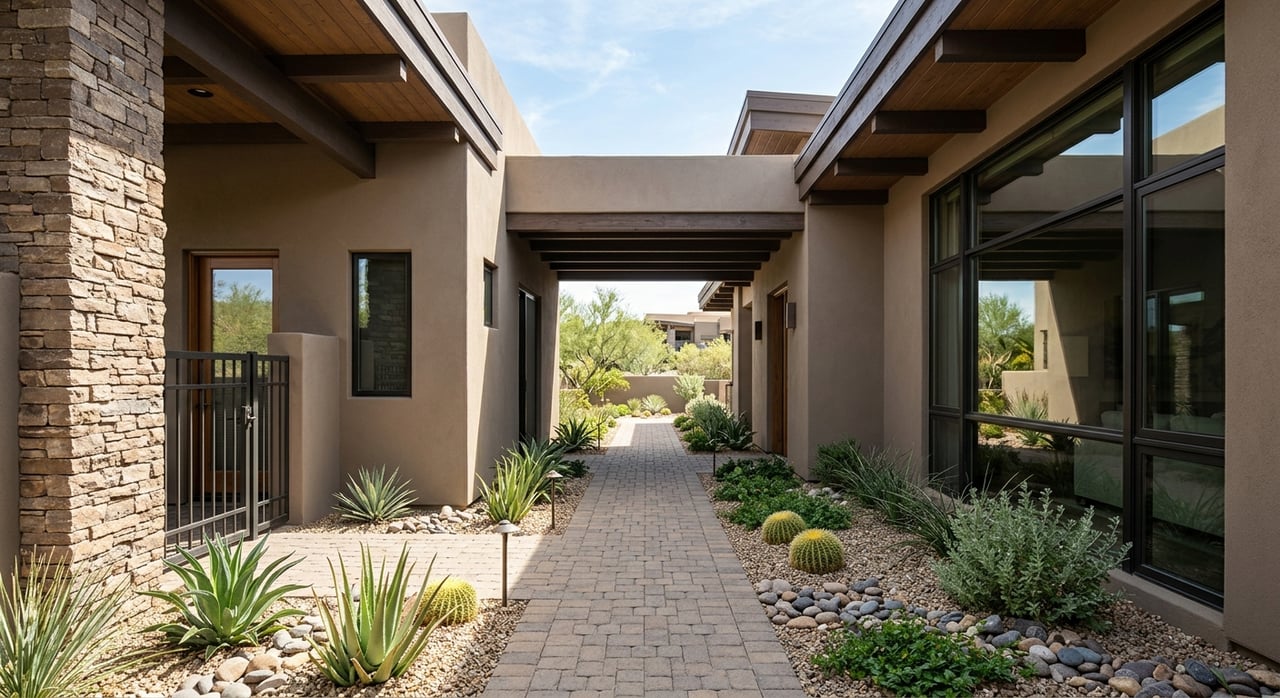
The city also encourages energy- and water-efficient construction, drought-tolerant landscaping, native plantings, and solar- and wind-conscious orientation. For you, that often means lower-water yards, smart outdoor planning, and spaces that support the Palm Springs lifestyle without creating unnecessary maintenance.
Mid-Century Modern and Daily Comfort
Open Layouts and Natural Light
Mid-century modern homes are closely tied to Palm Springs identity. The Palm Springs Art Museum notes that architect E. Stewart Williams blended natural materials from the local environment with International Style modernism, while Albert Frey helped define the city’s desert-modern identity through geometric composition, low-maintenance materials, and desert color palettes.
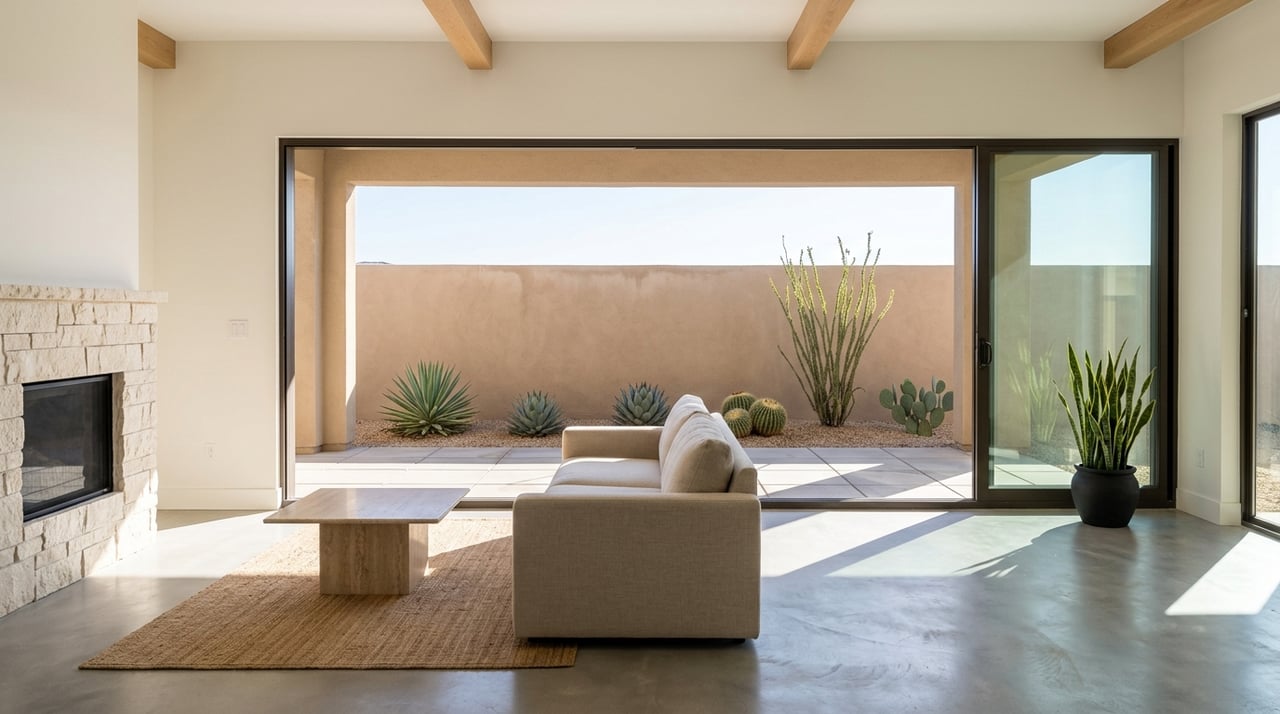
In daily life, that often translates into homes that feel open and streamlined. You may notice strong daylight, clean sightlines, and rooms that connect easily to patios and courtyards. These design choices support a casual way of living that feels both relaxed and intentional.
Easy Indoor-Outdoor Flow
Palm Springs design policies encourage viewsheds, courtyards, attractive transitions between public and private space, and active-use areas. That helps explain why so many mid-century homes feel larger than their square footage might suggest. The living experience extends beyond the interior walls.
For many owners, the patio becomes a real part of the floor plan. A morning coffee spot, shaded lounge area, and evening dining space can all function like additional rooms. That indoor-outdoor flow is one of the clearest ways architecture shapes everyday routines in Palm Springs.
Desert Modern Homes Feel Tied to Place
Design That Responds to the Site
Desert modernism in Palm Springs is a regional adaptation of modern design. According to the Palm Springs Art Museum’s Albert Frey exhibition materials, this approach uses industrial materials, desert color palettes, and geometry to express both nature and architecture.
That connection matters when you live in the home. Desert modern houses often feel low-slung, site-sensitive, and tuned to views, light, and climate. Instead of relying on heavy ornament, they create character through proportion, orientation, and their relationship to the desert setting.
Why Simplicity Works Here
A simpler form can perform better in a hot climate. Homes that respond to light, shade, and surrounding views often feel calmer and more usable day to day. In Palm Springs, that simplicity is not about doing less. It is about making each design choice work harder.
For design-minded buyers, this is part of the appeal. A well-designed Palm Springs home often feels refined because it solves real lifestyle needs with clarity, not excess.
Contemporary Homes Still Feel Like Palm Springs
Newer Construction, Same Local Logic
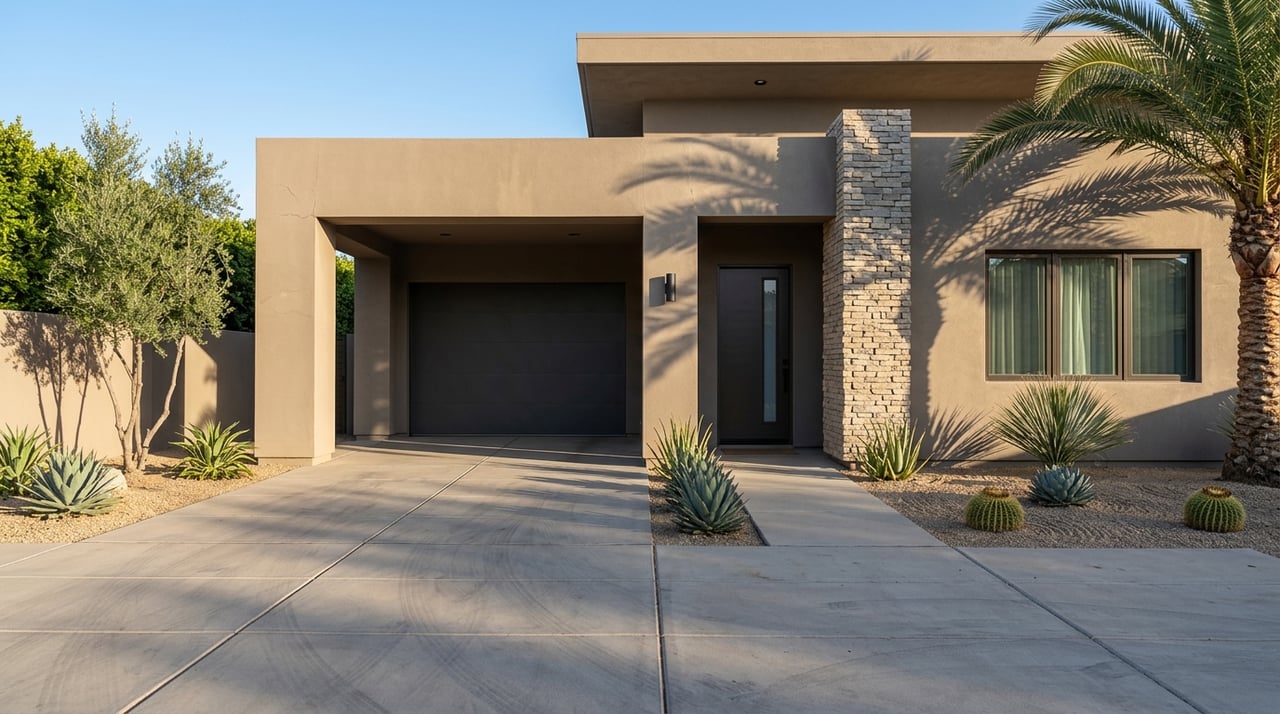
Newer homes in Palm Springs may look more contemporary, but they are still shaped by local design expectations. The city says new buildings should remain compatible with the existing built environment and natural setting while reflecting the city’s diversity and creativity.
That is why many newer homes still include the features buyers expect here. You will often see open space beyond minimum standards, courtyards, entry elements, decorative paving, and water features such as reflective pools or fountains. Even when the materials are more current, the lifestyle remains rooted in indoor-outdoor living.
Why New Homes Still Read as Local
This is one of the most interesting parts of Palm Springs architecture. A house can be newly built and still feel unmistakably tied to the city. That happens because design is expected to complement the desert environment and preserve the area’s visual character.
For buyers, this means newer construction does not have to feel generic. It can offer modern systems and finishes while still delivering the sense of place that draws people to Palm Springs in the first place.
Privacy Looks Different in Palm Springs
Courtyards, Walls, and Orientation
Privacy in Palm Springs is often created without shutting the house off from the outdoors. City plans call for preserving views, minimizing views of homes along some corridors, and making walls and fencing attractive and compatible with surrounding architecture.
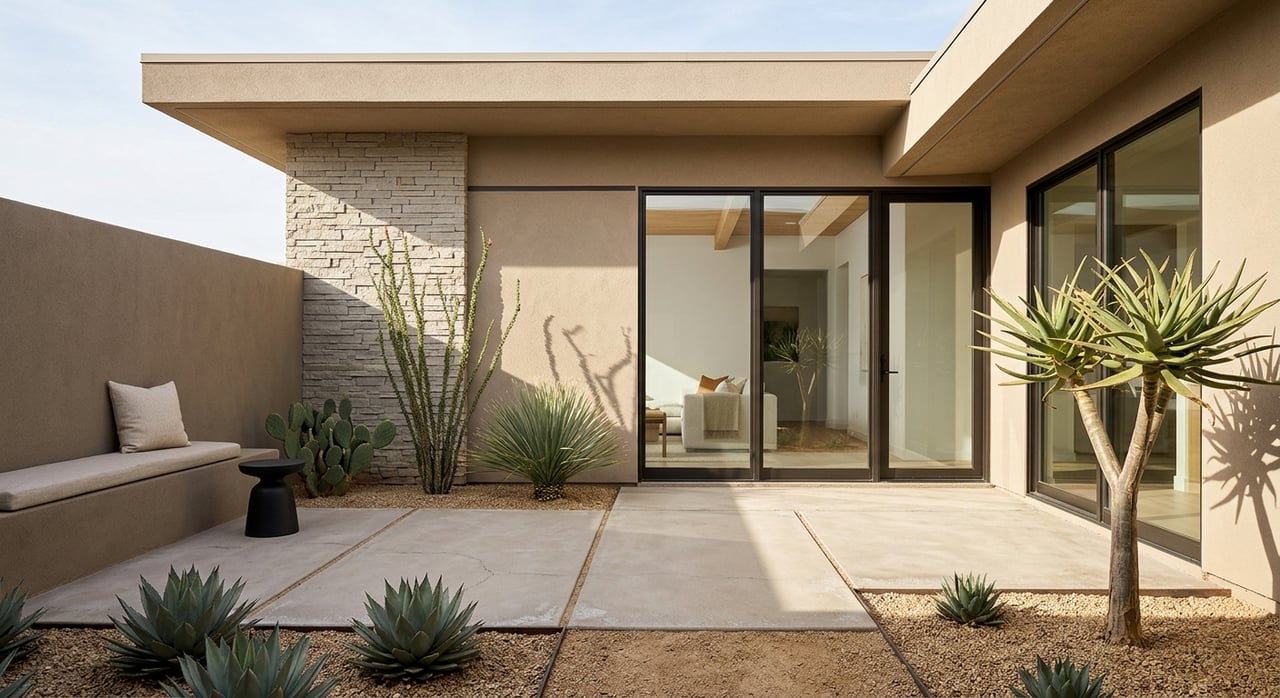
In practice, that means privacy often comes from orientation, screening, landscaping, walls, and courtyards. A home can feel visually open to the sky and mountains while still protecting your day-to-day living spaces. That balance is a major part of the Palm Springs lifestyle.
Seclusion Without Isolation
This approach can make a home feel more peaceful and usable. Instead of relying only on interior separation, the architecture helps carve out sheltered exterior zones for lounging, dining, or swimming. Those spaces can feel private without feeling closed in.
If you are comparing homes, this is worth paying close attention to. Two properties with similar square footage can feel very different depending on how they handle privacy, shade, and outdoor circulation.
Entertaining Becomes Part of the Floor Plan
Palm Springs architecture supports social living in a very practical way. The city explicitly encourages indoor-outdoor flow, and residential criteria favor courtyards, reflective pools, open space, and strong entry elements.
For you, that means exterior spaces are not secondary amenities. The patio, front court, pool deck, and covered lounge often function as true living areas. Whether you are hosting friends or just spending a quiet weekend at home, the architecture makes it easier to use the whole property.
This is also why layout matters so much when buying or selling in Palm Springs. A home that connects kitchen, living, and outdoor spaces well can deliver a very different daily experience than one with a more closed-off design.
What Buyers Should Know About Historic Homes
Beauty and Regulation Can Go Together
Historic homes and historic districts are a major part of Palm Springs architecture, but they come with added considerations. The city requires property owners and buyers to determine whether a site is historic, potentially historic, or located in a historic district.
If it is, alterations, demolition, and new construction may need review by the Historic Preservation Officer or Historic Site Preservation Board before permits are issued. That does not mean change is impossible. It means the renovation path may be more structured than it would be in a non-historic area.
Potential Tax Relief and Preservation Commitments
Some historic properties may use Mills Act contracts, which can offer potential property-tax relief in exchange for preservation commitments. For buyers who love architecture and want a stewardship-minded purchase, that can be an important factor.
This is where careful due diligence matters. If you are considering a design project, it helps to understand the property’s status early so you can align your plans with city requirements.
What Sellers Can Learn From the Architecture
If you are selling a home in Palm Springs, architecture is part of your property story. Buyers are often responding not just to square footage or finish materials, but to how the home handles light, privacy, desert climate, and outdoor living.
That means presentation should highlight lived experience. Features like shaded patios, mountain views, courtyards, drought-tolerant landscaping, and strong indoor-outdoor flow can shape how buyers imagine using the home. In a design-driven market like Palm Springs, those details deserve thoughtful positioning.
For architecturally notable homes, preservation context can also matter. Buyers may value a home more when they understand how it fits into the city’s architectural character and why its design feels so connected to place.
Why Architecture Matters in Real Estate Decisions
Palm Springs architecture is not just about style. It affects comfort, maintenance, privacy, entertaining, renovation options, and long-term appeal. In a market where design carries real weight, understanding how a home works day to day can help you make a smarter decision.
Whether you are drawn to mid-century modern lines, desert modern simplicity, or a newer contemporary home, the goal is the same. You want a property that feels right for the climate, the setting, and the way you want to live. If you want help evaluating architecturally significant homes or positioning a Palm Springs property with care and precision, schedule a consultation with Luca Volpe.
FAQs
How does Palm Springs architecture affect daily comfort in a home?
- Palm Springs homes are often designed around shade, orientation, energy efficiency, and desert-appropriate materials, which can help keep spaces bright and more comfortable in a very hot climate.
Why do Palm Springs homes often have courtyards and walls?
- Courtyards and walls help create privacy, shade, and usable outdoor living areas while still supporting the open indoor-outdoor feel that defines many Palm Springs homes.
What is daily life like in a mid-century modern Palm Springs home?
- Many mid-century modern homes in Palm Springs feel open, bright, and connected to the landscape, with easy movement between interior spaces and patios or pool areas.
Are newer Palm Springs homes designed differently from older ones?
- Newer homes may use more contemporary materials and forms, but city design policies still encourage them to complement the desert setting and the established architectural character of Palm Springs.
What should buyers know about renovating historic Palm Springs properties?
- Buyers should confirm whether a property is historic, potentially historic, or in a historic district because many alterations, demolition actions, and new construction plans may require city review before permits are issued.