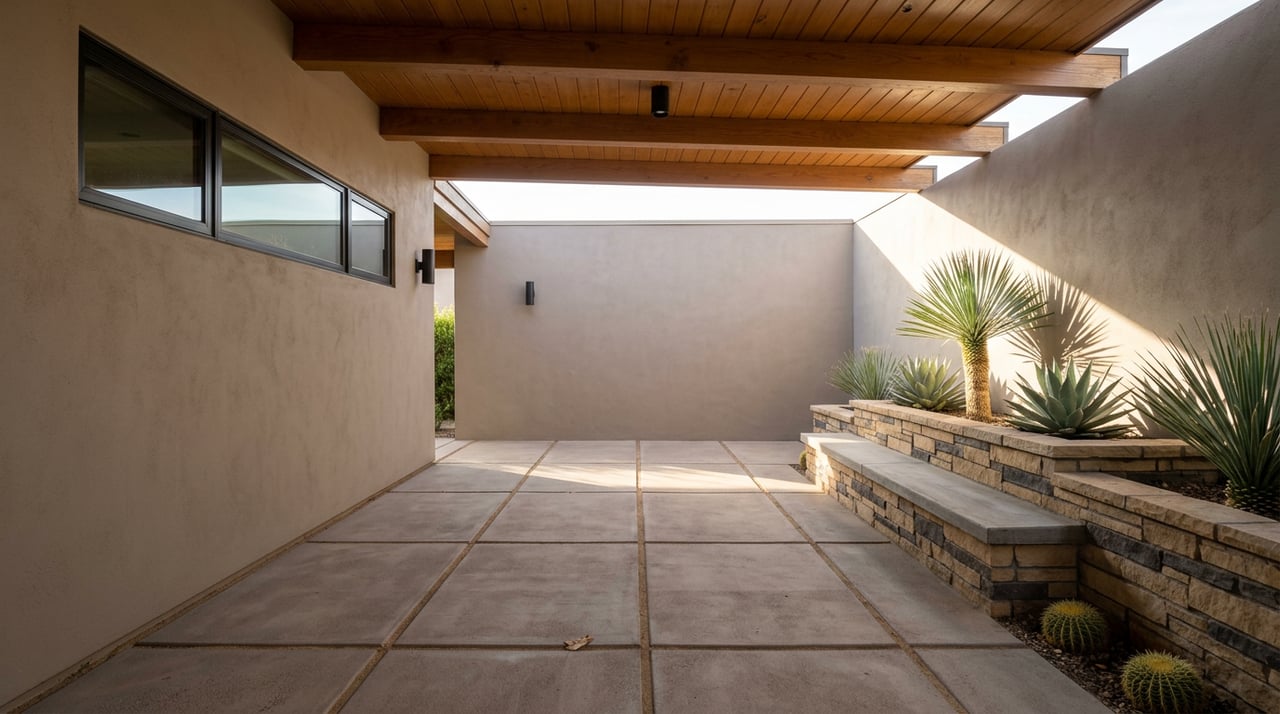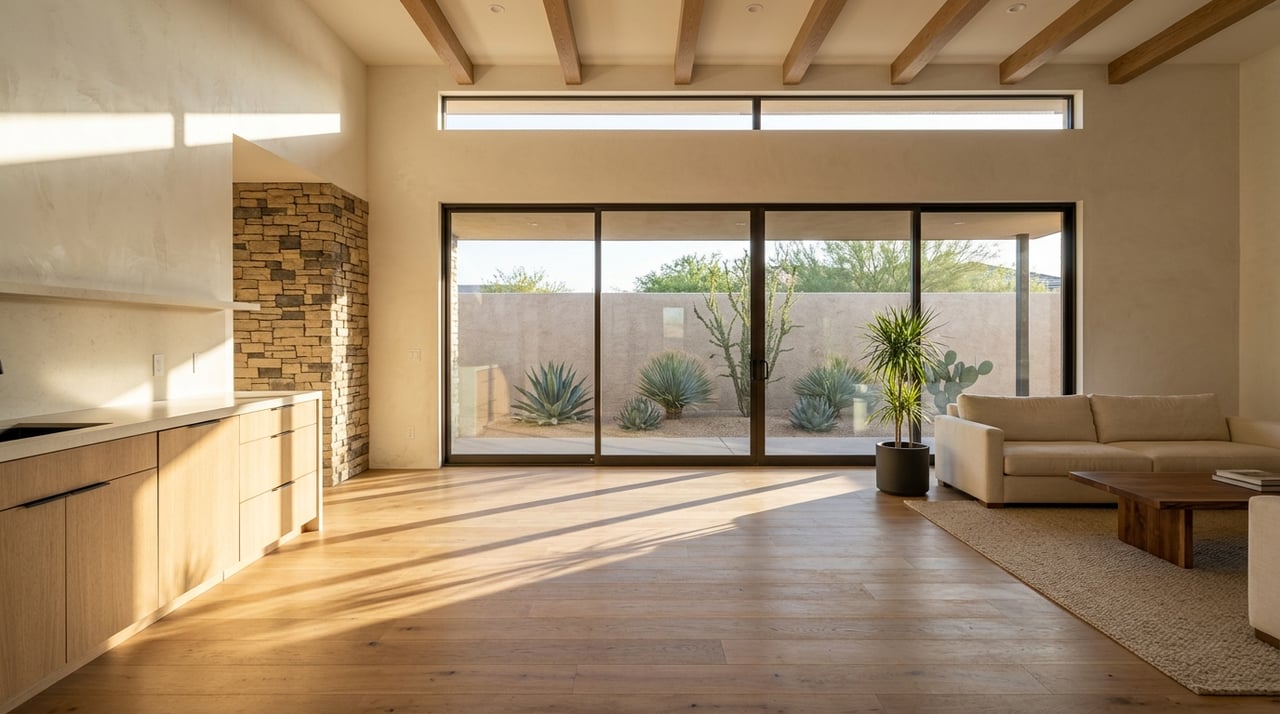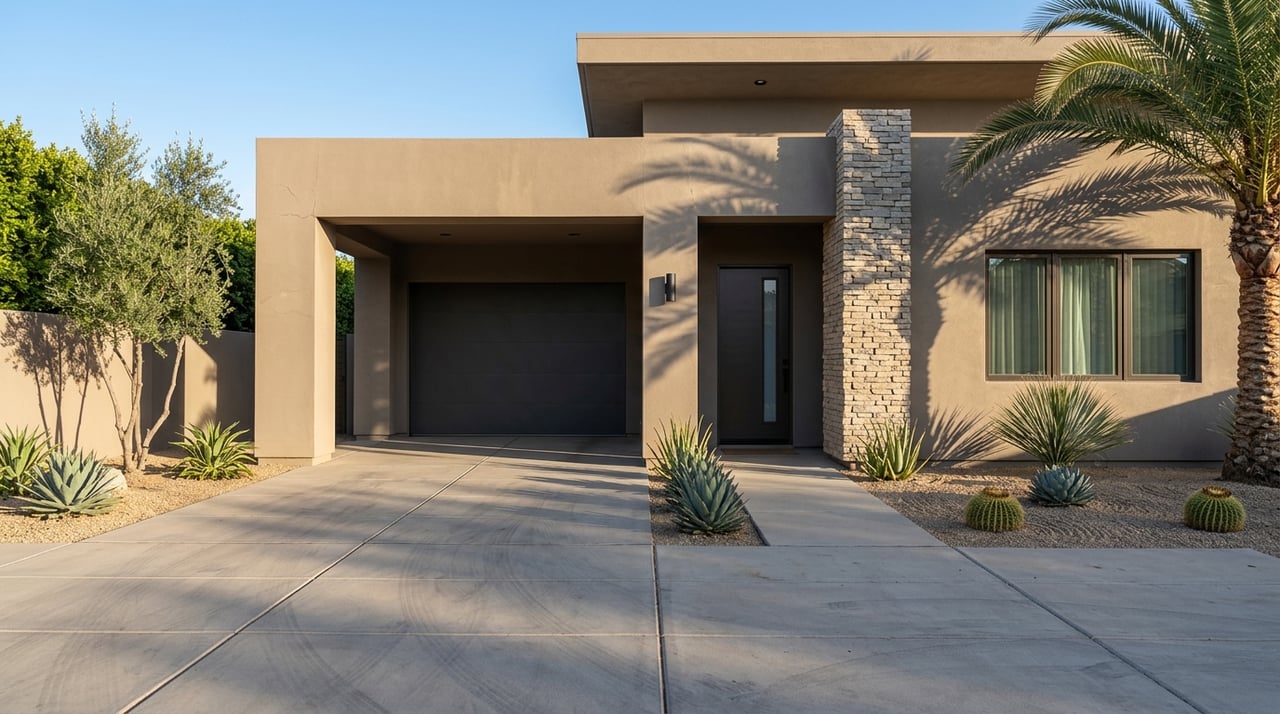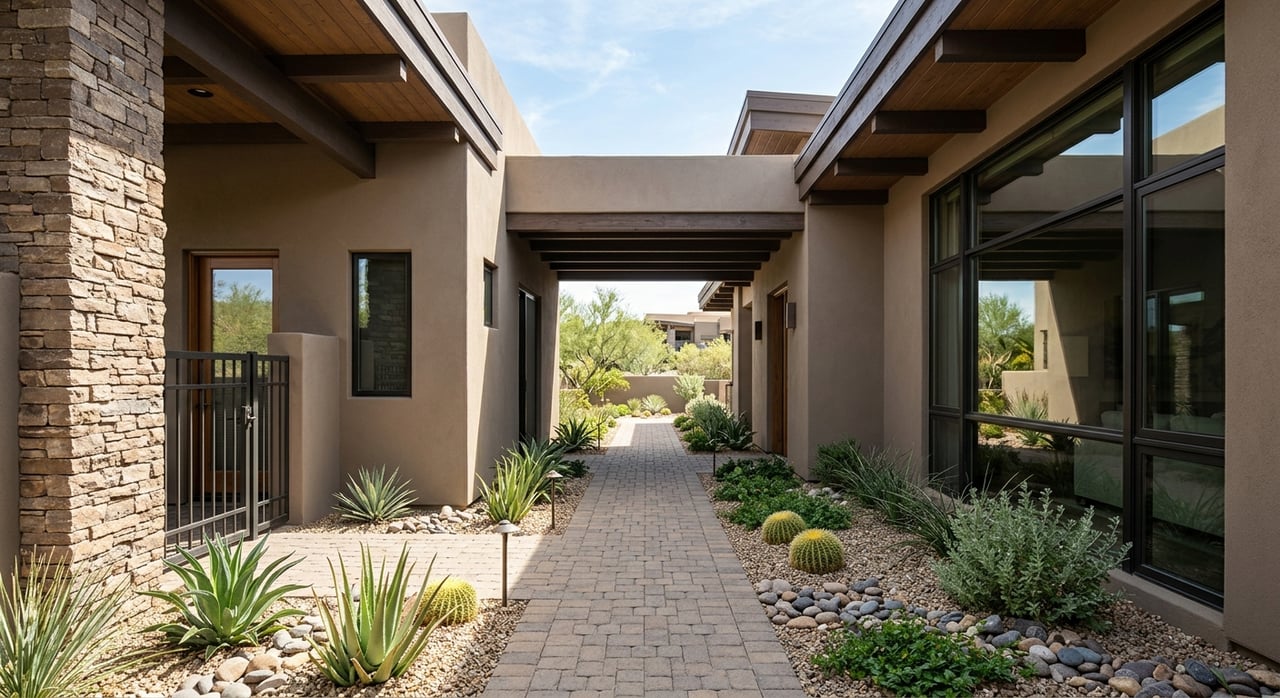
If you want a place in the desert without taking on constant upkeep, La Quinta resort condos deserve a close look. Many second-home buyers want easy lock-and-leave ownership, access to amenities, and fewer day-to-day maintenance tasks than a detached home can bring. In La Quinta, that appeal often comes from a mix of shared upkeep, HOA management, and a true resort setting. Let’s dive in.
Why La Quinta Resort Condos Appeal
La Quinta Resort & Club is built around a hospitality-driven environment that many second-home buyers already picture when they think about desert living. The property highlights casitas, suites, villas, golf, spa access, tennis and pickleball, plus an extensive pool network that includes 42 pools and 53 hot spas.
That kind of setting matters because a second home is often about ease as much as enjoyment. If you plan to visit seasonally or split time between cities, a condo in a resort-oriented community can offer a simpler ownership experience than a full detached property with its own yard and exterior maintenance demands.
For many buyers, the draw is not just the home itself. It is the combination of part-time use, shared amenities, and support systems tied to the larger community. La Quinta Resort also describes turn-key residences around La Quinta Resort and PGA WEST, including condos, with housekeeping and maintenance support.
What “Low-Maintenance” Really Means
A condo is not automatically maintenance-free. In California common interest developments, the lower-maintenance benefit usually comes from shared ownership structure and HOA management, not from the condo format alone.
That distinction is important when you compare a resort condo to a single-family home. Instead of handling every exterior repair and landscaping issue yourself, you are often sharing responsibility through the homeowners association, while also agreeing to HOA rules, budgets, and assessments.
In practical terms, that can mean less hands-on work during the months you are away. It can also mean more predictability around how common spaces are maintained, especially in communities where appearance, amenities, and upkeep are central to the ownership experience.
Condo vs. Single-Family Responsibilities
Under California law, unless governing documents say otherwise, the association is generally responsible for common-area repairs and replacements. The owner is generally responsible for the separate interest and any exclusive-use common area connected to the unit.
For you, that often means trading private yard work and more extensive exterior upkeep for monthly dues and community rules. This trade-off is one of the biggest reasons resort condos can work well as second homes, especially if you want a place that is easier to leave for weeks or months at a time.
Still, every project is different. Before you buy, you need to understand exactly where the HOA’s responsibility ends and yours begins. That line can affect both your monthly costs and your long-term ownership experience.
The Real Cost of Convenience
Low-maintenance living is rarely the same as low-cost living. HOA dues help fund the association’s operating budget, maintenance obligations, and long-term reserves, and if regular assessments are not enough, a board can levy special assessments.
This is why the monthly number alone does not tell the full story. A lower HOA fee may look attractive at first, but a well-funded reserve structure can be more important than a lower payment if it helps reduce the risk of deferred maintenance or surprise costs.
California consumer guidance also notes that buyers should review special taxes, assessments, and HOA dues that affect monthly expenses. If you are buying a second home, that full carrying-cost picture matters just as much as the purchase price.
Why HOA Documents Matter
When you buy in a common interest development with HOA dues, you are entitled to a California Department of Real Estate public report. The DRE describes this as a critical disclosure document that covers items such as use restrictions, utilities, hazards, title, zoning, and financial arrangements.
That report is only one part of the picture. You should also review the CC&Rs, bylaws, rules, budget, reserve study, insurance summary, and any recent records tied to capital improvements or inspections.
For second-home buyers, these documents help answer the questions that matter most. Can you use the property the way you intend? Is the association financially prepared for major work? Are there rules that may affect guests, pets, parking, or future updates to the unit?
Building Condition and Reserve Strength
For some condo buildings with exterior elevated elements like balconies or walkways, California requires a visual inspection by a licensed engineer or architect at least once every nine years. For applicable buildings, the first inspection cycle was due by January 1, 2025.
If you are considering an attached resort condo, that makes building-condition reviews more than just a technical detail. It puts real focus on reserve strength, maintenance history, and whether the association has stayed current with required inspections and capital planning.
This is one of the clearest examples of why due diligence matters in a second-home purchase. A beautiful resort setting can still come with future repair obligations, and a well-run HOA should be able to show how those issues are being managed.
Short-Term Rental Rules in La Quinta
If you may rent out your condo when you are not using it, La Quinta’s short-term vacation rental rules deserve careful attention. The city’s rules are highly project-specific, and not every condo community is treated the same way.
The city says new General and Primary STVR permits are permanently banned in non-exempt areas. New permits are only available in exempt areas, for Homeshare permits, or for Large Lot Qualified & Certified properties. The city defines a General STVR permit as the category used for a second home or investment property used as a short-term vacation rental.
This matters because many buyers assume resort-style ownership automatically includes rental flexibility. In La Quinta, that is not something to assume. You need to confirm both city eligibility and HOA rules before relying on any rental plan.
Exempt Areas Are Address-Specific
La Quinta’s exempt-area materials specifically name La Quinta Resort, including Spa & Tennis Villas and Legacy Villas. At the same time, the city also warns that HOA approval alone does not make a project exempt from the ban.
That is a crucial distinction for second-home buyers. Even if a community has a resort feel or a history of visitor demand, you still need to verify whether the specific address qualifies under the city’s current rules.
The city advises buyers to confirm eligibility by address with city staff before applying. If rental use is part of your purchase strategy, this step should happen early, not after you are already in contract.
Rental Income Assumptions Need Caution
The city’s posted annual STVR fees vary by permit type and bedroom count. That means any estimate of rental income should account for permit costs, not just occupancy assumptions or nightly rates.
The city also reports that active permits are concentrated in several resort-oriented communities, including Legacy Villas, Spa Villas at LQ Resort, and Tennis Villas. That pattern suggests short-stay and part-time-use demand is already concentrated in a limited number of condo-style developments.
For you, the takeaway is simple. If you want occasional rental income, focus on what is currently allowed, what the fees are, and what the project’s rules actually say. A condo can be a flexible second home, but only if your intended use lines up with both city and HOA requirements.
Best Questions to Ask Before You Buy
A resort condo can be an excellent fit for lock-and-leave ownership, but the details matter. Before making an offer, ask questions that test both convenience and risk.
Here are some of the most important ones:
- What does the HOA maintain, and what remains your responsibility?
- How much are the monthly dues, and how strong are the reserves?
- Has the association had any special assessments?
- Are there rental minimums, guest limits, parking rules, pet rules, or architectural approval requirements?
- If you may rent short-term, is the property in a city exempt area, and does the HOA allow that use?
- Has the association completed any required building-condition reviews, especially for balconies, decks, or walkways?
- Are there recent capital-improvement records or inspection reports you should review?
These questions can help you move beyond the marketing appeal and understand the true ownership structure. That is especially important when you are buying a second home meant to support both lifestyle and peace of mind.
Is a La Quinta Resort Condo Right for You?
If your goal is a desert getaway with fewer moving parts, a La Quinta resort condo may be a smart fit. The strongest appeal is not just lower upkeep. It is the full package of shared maintenance, resort amenities, and ownership rules that can support part-time living.
That said, the right fit depends on your intended use. A buyer who wants simple seasonal enjoyment may prioritize HOA coverage and amenities, while a buyer who hopes to rent the property needs to be far more precise about city rules, project status, and fee structures.
The best second-home decisions usually come from matching the property to how you will actually use it. In La Quinta, that means looking closely at the specific condo project, not just the broader resort lifestyle.
If you are exploring resort condos in La Quinta and want clear guidance on ownership structure, HOA review, and purchase strategy, schedule a consultation with Luca Volpe.
FAQs
What makes La Quinta resort condos low-maintenance second homes?
- They can reduce hands-on upkeep because many common-area maintenance responsibilities are handled through the HOA, while also offering resort amenities and support systems that suit part-time use.
What should you review before buying a condo in La Quinta?
- You should review the CC&Rs, bylaws, rules, budget, reserve study, insurance summary, DRE public report, and any recent inspection or capital-improvement records.
Can you use a La Quinta resort condo as a short-term rental?
- Possibly, but eligibility depends on the specific address, the city’s exempt-area rules, the permit category, and the HOA’s own restrictions.
Why do HOA reserves matter for La Quinta condos?
- Reserves help fund long-term repairs and replacements, and stronger reserves may reduce the risk of unexpected special assessments.
Are all La Quinta resort condo communities treated the same under STVR rules?
- No. The city’s short-term vacation rental rules are project-specific, so buyers should verify eligibility by address rather than assume a resort-area condo automatically qualifies.
What is the biggest trade-off with condo ownership in La Quinta?
- The main trade-off is usually less personal maintenance in exchange for HOA dues, shared rules, and possible assessments tied to community operations and repairs.