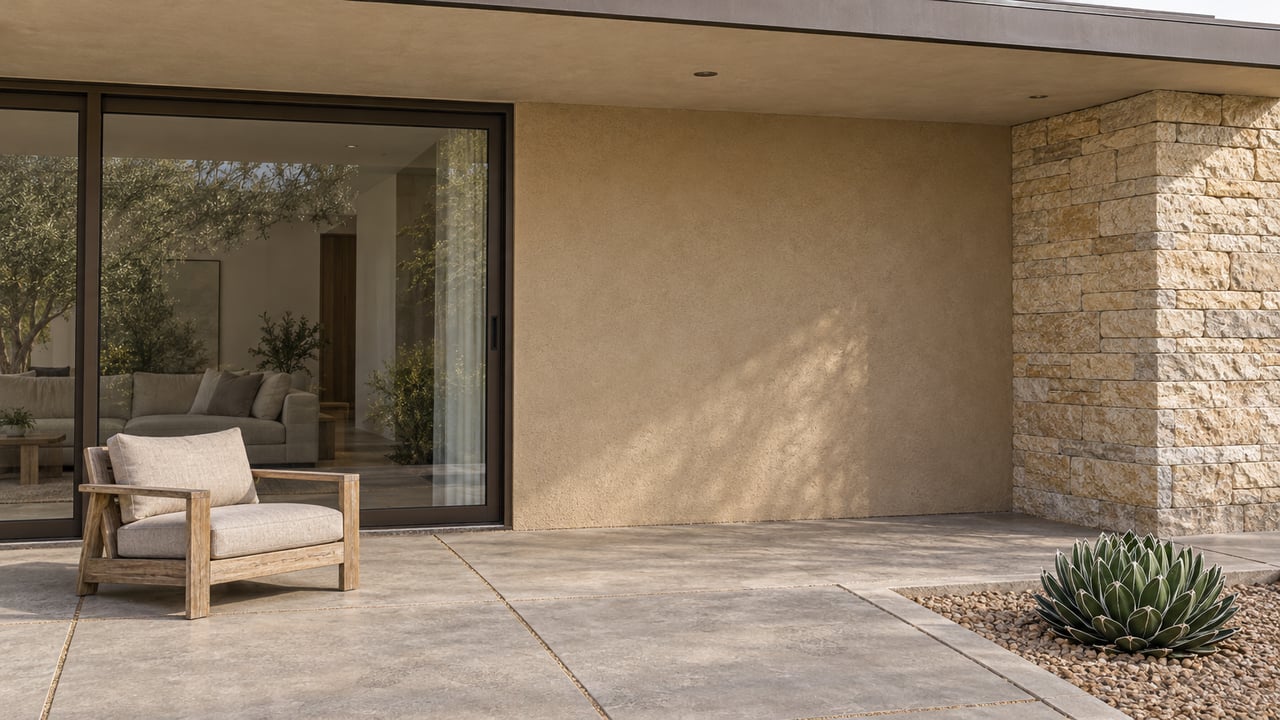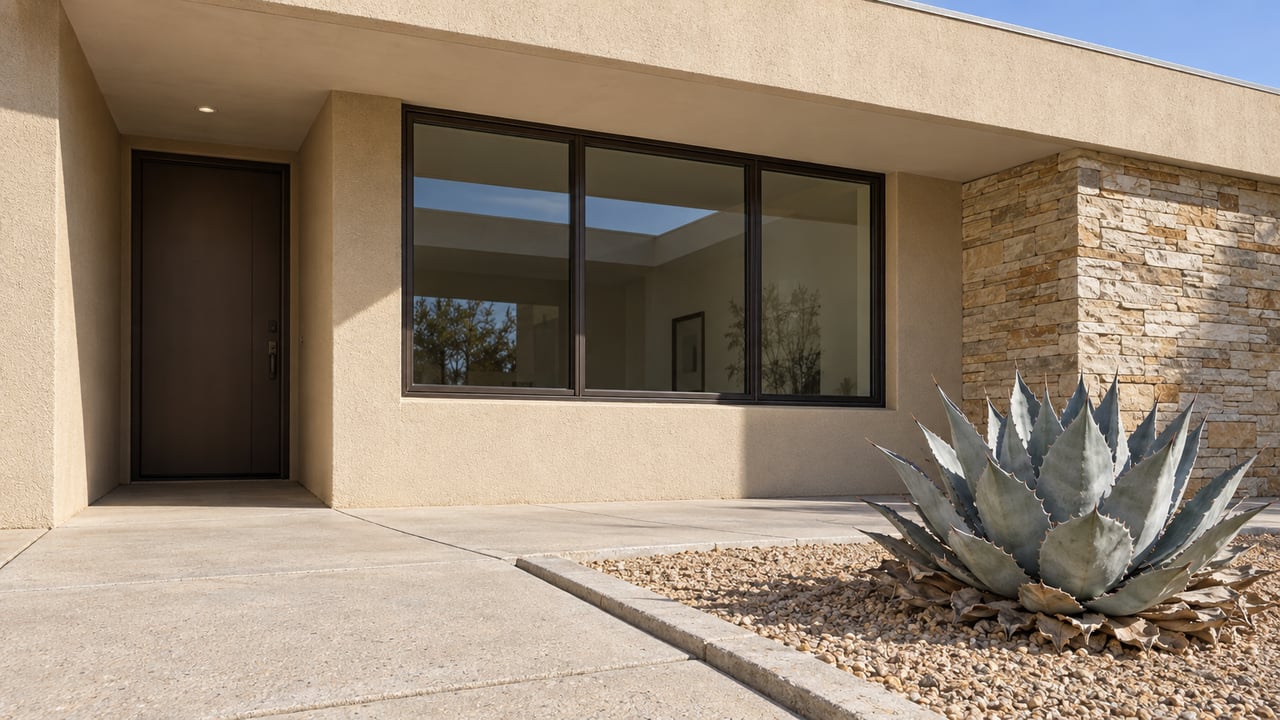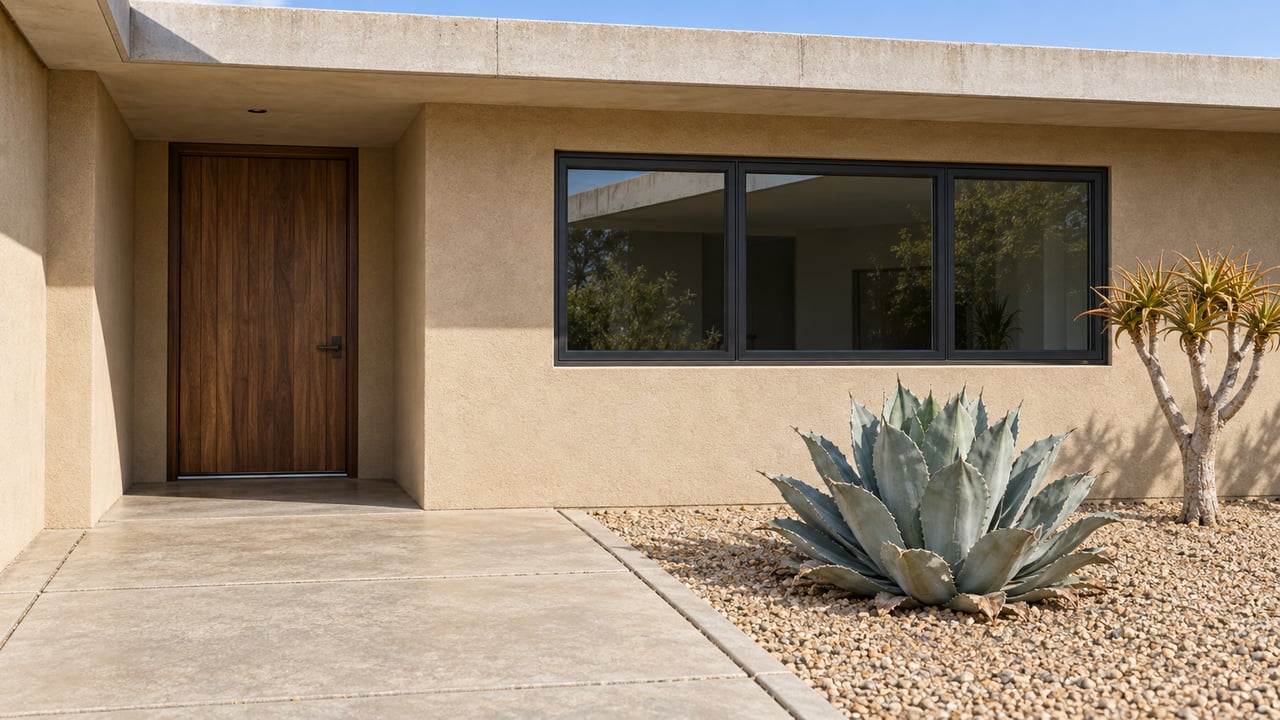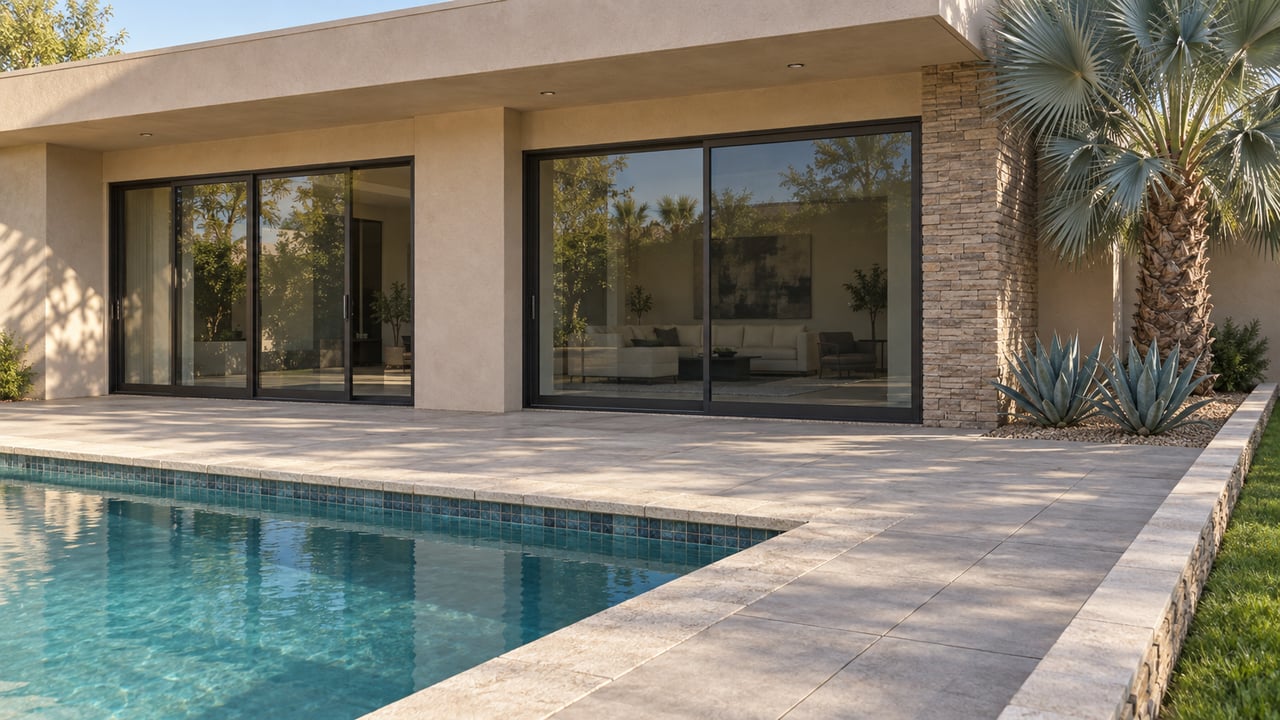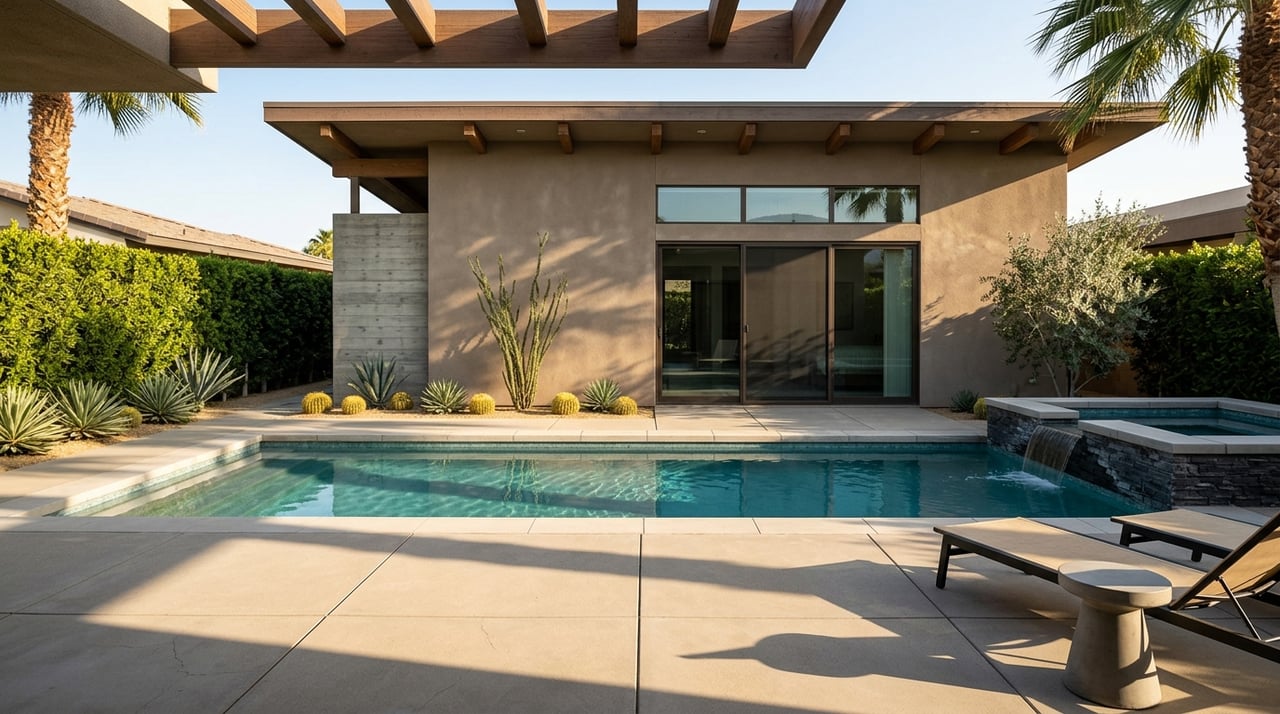
Thinking about a Palm Springs second home? You are not alone, but this market asks different questions than many other resort destinations. In Palm Springs, the right purchase is not just about price or square footage. It is about neighborhood character, architecture, ownership structure, carrying costs, and how you plan to use the property. If you want to buy with more clarity and fewer surprises, this guide will walk you through the key decisions before you make an offer. Let’s dive in.
Why Palm Springs Feels Different
Palm Springs is shaped by design, climate, and neighborhood identity. The city is organized around 52 recognized neighborhood organizations, and its general plan highlights distinct neighborhoods, architecture, scenic view corridors, and desert conditions as part of the city’s identity.
For you as a second-home buyer, that means the search often starts with feel and fit. A home in one part of Palm Springs can offer a very different experience from a home in another, even at a similar price point. Orientation, privacy, views, architectural style, and how the home lives in the desert climate all matter.
Start With Neighborhood and Architecture
Palm Springs is not one uniform housing market. It is a collection of architectural and lifestyle submarkets, and design-minded buyers usually notice that right away.
Neighborhoods often compared by buyers include Old Las Palmas, Vista Las Palmas, The Movie Colony, Twin Palms Estates, Deepwell Estates, Historic Tennis Club, The Mesa, South Palm Springs, Downtown, and the Uptown Design District. These areas are also used in walking tours by the Palm Springs Historical Society, which reinforces how distinct the city’s neighborhoods can be.
If you are buying a second home, it helps to narrow your search by asking a few practical questions early:
- Do you want a classic mid-century modern setting or a more contemporary feel?
- Do you prefer a quieter residential setting or closer access to Downtown amenities?
- Is mountain orientation or sun exposure important to you?
- Are you looking for a single-family home, condo, or townhome?
- Will architecture and preservation value play a role in your long-term plans?
A focused neighborhood strategy can save you time and keep you from comparing homes that serve very different goals.
Verify Fee Simple or Leasehold
One of the most important Palm Springs issues is land tenure. The city contains both Indian and non-Indian property holdings, and the general plan notes the area includes a mix of property interests because of the Agua Caliente Reservation land pattern.
That means some properties are fee simple, where you own the land, and some are leasehold, where you own the improvements but lease the land. If a property is on Indian land, the Bureau of Indian Affairs says the lease is a contract between the landowner and lessee, may be negotiated for up to 99 years, and requires BIA approval for leasing trust lands.
This is not a small technical detail. Before you get too far into a property, confirm whether it is fee simple or leasehold. That single fact can affect financing, long-term cost planning, resale strategy, and your comfort level as an owner.
Get Pre-Approved Before Touring
Second-home financing is not underwritten the same way as a primary residence. Fannie Mae defines a second home as a one-unit property that you occupy for part of the year, that is suitable for year-round occupancy, remains under your exclusive control, and is not rental property, a timeshare, or a property controlled by a management firm.
In practical terms, you should get financing clarity before you fall in love with a home. Pre-approval helps you understand your buying range, monthly costs, and how a lender will view the property based on your intended use.
This step also makes your offer stronger. In a market where design-driven homes can attract serious interest, being financially prepared helps you move with confidence.
Budget Beyond the Purchase Price
A Palm Springs second home comes with recurring and one-time costs that deserve attention upfront. Looking only at the list price can lead to an incomplete budget.
Your planning should include:
- Down payment and mortgage costs, if financed
- Closing costs, which commonly run about 2% to 5% of the purchase price
- Escrow fees, which vary by transaction and are not fixed by law
- Riverside County documentary transfer tax of $0.55 per $500 of consideration or value conveyed, excluding remaining liens
- HOA dues and any special assessments, if applicable
- Property taxes and supplemental tax bills after closing
Property taxes are especially important for second-home buyers. The California Board of Equalization says the Homeowners’ Exemption applies only to an owner-occupied principal residence, and Riverside County states the same. A second home does not qualify.
The Board of Equalization also says a change in ownership creates a supplemental assessment and supplemental tax bill in addition to the regular annual tax bill. Those supplemental bills are sent directly to you, not to your lender, so they should be part of your post-closing cash planning.
Treat HOA Review as Core Due Diligence
If you are buying a condo, townhome, or another common interest development, HOA review is not optional background reading. It is a core part of your decision.
The California Department of Real Estate says HOA membership is automatic when you buy into these types of communities, and public reports disclose CC&Rs, common-area costs, and assessments. In other words, when you buy the home, you also buy into the rules, obligations, and financial structure of the association.
Before closing, make sure you review:
- Monthly HOA dues
- CC&Rs and use restrictions
- Any special assessments
- Maintenance responsibilities
- Community rules that may affect second-home use
For many Palm Springs buyers, HOA terms can shape day-to-day ownership just as much as the floor plan.
Know the Short-Term Rental Rules
If rental income is part of your second-home plan, local rules need to be part of your search from day one. In Palm Springs, vacation rental eligibility is not something to check after you open escrow.
The city says vacation rentals and homesharing are ancillary and secondary uses of residential property. They are limited to single-family dwelling units and are prohibited in apartments. The ordinance also limits new permittees to 26 contracts per calendar year and existing permittees to 32 contracts, with some additional third-quarter flexibility for existing permittees.
Palm Springs also applies neighborhood caps set at 20 percent of residential units. If a neighborhood is at or above the cap, a new application can be returned and you may have to join a waitlist.
That means two homes with similar features can have very different income potential depending on property type and neighborhood status. If short-term rental use matters to you, confirm eligibility before you write an offer.
Understand the Offer and Escrow Process
In California, a strong offer should clearly state the purchase price, financing terms, deposit, and deadline for acceptance. The Department of Real Estate also notes that financing contingencies are standard unless you are paying all cash, and the offer should state how the deposit will be held.
Your offer can also include contingencies or special conditions you want, such as:
- Loan qualification
- Home inspections
- Pest inspections
- Repairs
- Home warranty programs
- Other property-specific items
Once a fully executed purchase agreement is delivered to the escrow holder, escrow usually opens. The escrow officer then handles funds and documents, orders and reviews title-related items, manages payoffs, prepares closing statements, and coordinates recording and disbursement.
Escrow timing is set by agreement between the parties, but delays can happen because of underwriting, missing signatures, or disputes. It is smarter to think in stages than to assume every purchase will follow one fixed timeline.
Follow a Practical Buying Timeline
A second-home purchase in Palm Springs usually works best when you move step by step. A realistic sequence can keep the process organized and reduce last-minute surprises.
Stage 1: Set financing and budget
Get pre-approved if you plan to finance. Build a full budget that includes closing costs, escrow fees, transfer tax, HOA dues, and supplemental taxes.
Stage 2: Narrow neighborhoods
Focus on the neighborhoods and property types that fit your goals. At this stage, confirm land tenure, HOA structure, and vacation-rental status if that matters to you.
Stage 3: Write a clear offer
Your offer should spell out price, terms, deposit, and contingencies. Clean, specific terms make negotiations smoother and help everyone understand the path to closing.
Stage 4: Complete due diligence
During escrow, review inspections, title, HOA materials, and seller disclosures. This is where details become decisions.
Stage 5: Final walk-through
Before closing, confirm the property’s condition and make sure agreed items remain in place. This is your last check before funds are released.
Stage 6: Sign, fund, and record
The Closing Disclosure must arrive at least three business days before mortgage closing. Once closing is complete, the loan funds and ownership transfers.
Review Disclosures Carefully
California real estate comes with a substantial disclosure package, and second-home buyers should take it seriously. The Department of Real Estate says the seller’s Transfer Disclosure Statement covers physical condition, hazards or defects, special taxes, assessments, and other factors.
You should also expect title-related review. A preliminary title report shows ownership history and liens or encumbrances, and some common-interest or new-subdivision purchases may also come with a public report.
This part of the transaction matters because it helps you understand not just what the home looks like, but what obligations or risks may come with ownership. In Palm Springs, where leasehold issues, HOA structures, and rental rules can affect use, careful review is essential.
Build Your Palm Springs Due Diligence Checklist
When you are buying a second home here, a compact checklist can keep your search grounded in the right details.
Make sure you verify:
- Fee simple versus leasehold ownership
- HOA status, dues, and governing documents
- Vacation-rental eligibility if income matters
- Title issues, including liens or encumbrances
- Budget for supplemental taxes, closing costs, HOA dues, and assessments
This checklist may look simple, but it covers the issues that most often shape ownership experience after closing.
Why Local Guidance Matters
Palm Springs rewards local knowledge. The city’s neighborhood pattern, architectural variety, leasehold questions, HOA structures, and short-term rental rules can all affect whether a property is the right fit for your goals.
The Department of Real Estate says a buyer’s agent helps locate homes, negotiate offers, and explain disclosures and paperwork. For second-home buyers, that local guidance can be especially valuable because the right purchase often depends on details that are easy to miss online.
A well-run transaction is not just about finding a beautiful home. It is about matching the property to your intended use, understanding the ownership structure, and moving through escrow with clarity.
If you are considering a Palm Springs second home and want a more strategic, design-aware buying process, schedule a consultation with Luca Volpe.
FAQs
What should you check first when buying a Palm Springs second home?
- Start with neighborhood fit, intended use, and whether the property is fee simple or leasehold, since those issues can affect financing, ownership costs, and long-term plans.
How is a Palm Springs second home different from a primary residence for financing?
- A second home is generally underwritten separately from a primary residence and must meet specific occupancy and use standards, so pre-approval is an important early step.
Do Palm Springs second homes qualify for the California Homeowners’ Exemption?
- No. The Homeowners’ Exemption applies only to an owner-occupied principal residence, not to a second home.
Why do HOA documents matter in a Palm Springs condo or townhome purchase?
- HOA membership is automatic in common interest developments, and the documents can affect your dues, assessments, maintenance obligations, and property-use rules.
Can you use a Palm Springs second home as a short-term rental?
- It depends on the property type and neighborhood status. Palm Springs limits vacation rentals to single-family dwelling units and applies permit rules and neighborhood caps.
What disclosures should you review in a California second-home purchase?
- Key items include the Transfer Disclosure Statement, preliminary title report, HOA materials if applicable, and any public report provided with the property type or community.