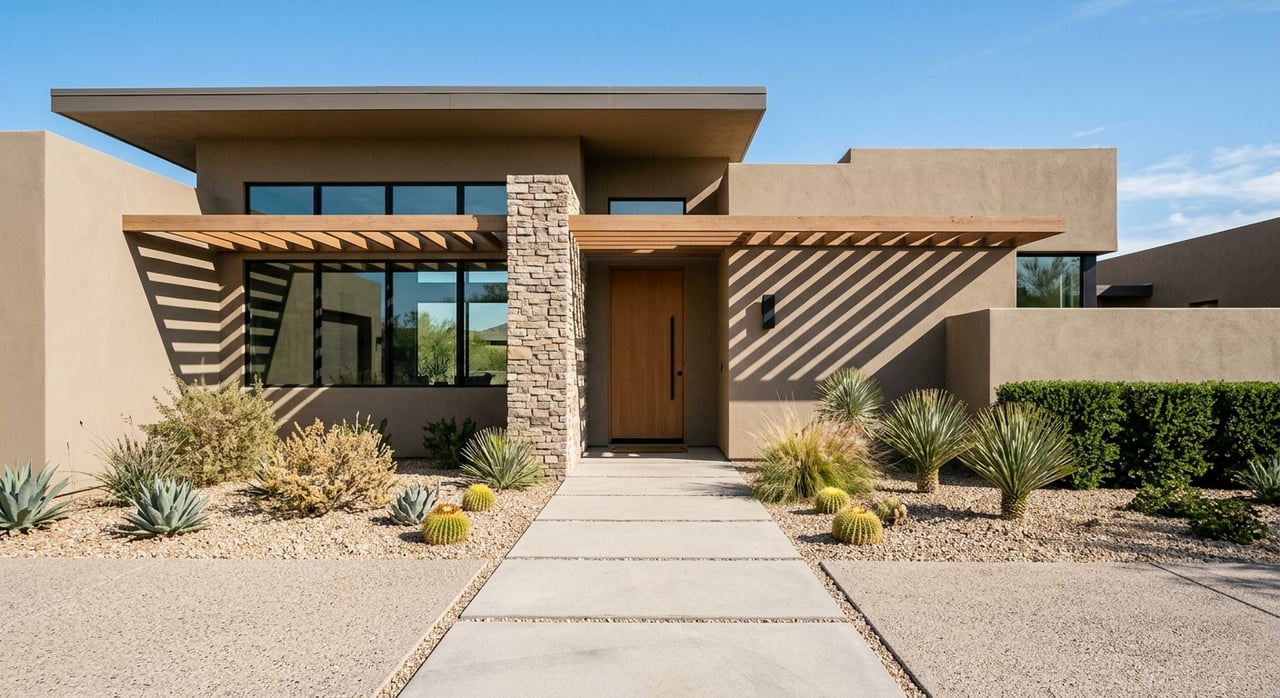
Wondering if Palm Desert is a vacation town or a place you can truly call home? The answer is both, and that is exactly what makes year-round living here so distinctive. If you are thinking about relocating, buying a primary residence, or simply spending more than a season in the desert, it helps to understand how daily life actually feels across all 12 months. Let’s dive in.
Palm Desert Feels Like a Real City
Palm Desert often gets grouped in with resort destinations, but the numbers tell a fuller story. The city reports about 53,000 permanent residents plus roughly 32,000 seasonal residents, and Census QuickFacts estimates a 2024 population of 53,147. That gives Palm Desert a steady residential base even as the population shifts during the cooler months.
You can also see that year-round identity in the housing mix. Census data shows 65.0% of occupied homes are owner-occupied, with a median owner-occupied home value of $542,000 and a median gross rent of $1,778. In other words, this is not just a short-stay market. It is a place where many people own, rent, work, and build routines.
Another important part of the city’s profile is age diversity. Census data shows 37.7% of residents are 65 or older, which means Palm Desert has a noticeable retiree presence, but it is not limited to one life stage. The city’s planning efforts, housing options, schools, and daily services all point to a community designed for full-time living.
The Seasons Shape Daily Life
If you live in Palm Desert year-round, the biggest factor in your routine is the weather. The city says the area gets about 350 days of sunshine each year, which is a major draw for many buyers. But desert sunshine comes with a real summer adjustment.
NOAA climate normals for the nearby Palm Springs Regional Airport show average January temperatures around 70.5°F for highs and 47.6°F for lows. In July, average highs reach 108.6°F, with lows around 79.4°F. Annual precipitation is just 4.61 inches, so you are trading gray, wet seasons for a climate that is much drier and much more intense in summer.
That means winter is typically the outdoor season, while summer becomes more schedule-driven. You may find yourself walking early, running errands sooner, and planning outdoor time around mornings and evenings. Full-time residents generally do not stop living in summer, but they do adapt.
Winter Brings Energy
During the cooler season, Palm Desert feels especially active. More seasonal residents return, events pick up, restaurants feel busier, and outdoor recreation becomes easier to enjoy. This is when the city’s social side is often most visible.
El Paseo plays a big role in that rhythm. Discover Palm Desert describes it as a mile-long district with more than 200 shops, restaurants, and art galleries, and The Gardens on El Paseo adds another 60-plus stores and restaurants. Seasonal events like recurring First Friday gatherings and Fashion Week El Paseo help shape the cooler-month calendar.
Summer Brings a Different Pace
Summer in Palm Desert is quieter and more local. You may notice fewer seasonal visitors, easier restaurant reservations, and a slower overall rhythm around town. For some full-time residents, that quieter stretch is actually one of the benefits of living here year-round.
Daily habits shift with the temperature. The Living Desert Zoo and Gardens is a good example of how local institutions adapt, with summer hours of 7:00 a.m. to 1:30 p.m. compared with winter hours of 8:00 a.m. to 5:00 p.m. That same heat-aware mindset often carries into errands, exercise, and social plans.
Daily Convenience Is Better Than Many Expect
One of the biggest surprises for newcomers is how practical Palm Desert can be. The city describes itself as the cultural and retail center of the desert communities, and that identity shows up in everyday life. Shopping, dining, services, and medical care are all woven into the local landscape.
For transportation, SunLine Transit Agency provides bus service, and SunRide microtransit operates within a Palm Desert zone Monday through Friday from 5:30 a.m. to 6:30 p.m. at a $3 fare. That does not replace a car for everyone, but it adds another option for getting around town.
If you work remotely or on a hybrid schedule, Palm Desert also checks several practical boxes. Census QuickFacts shows 97.0% of households have a computer and 91.3% have broadband. The mean travel time to work is 21.0 minutes, which may appeal if you want a city with services and connectivity without feeling overly congested.
Outdoor Living Is Real, but Seasonal
Palm Desert supports an active lifestyle, especially when the weather cooperates. The city’s Parks & Recreation department says it maintains more than 200 acres of parkland, 17 parks, 2 community centers, the Palm Desert Aquatic Center, and more than 25 miles of multi-purpose trails. That gives residents a broad mix of recreation close to home.
Hiking is part of daily life for many locals, but it comes with seasonal awareness. The city notes that local trails connect to the Santa Rosa and San Jacinto National Monument, and some routes close seasonally before reopening on October 1. If you move here full-time, learning the seasonal trail pattern becomes part of understanding the area.
The Living Desert adds another layer to the city’s outdoor appeal. It spans 1,200 protected acres and includes miles of hiking trails. For residents, places like this are not just visitor attractions. They become part of the regular rotation of places you can enjoy throughout the year.
Schools and Healthcare Support Full-Time Living
For many buyers, the question is simple: can Palm Desert support everyday life beyond the lifestyle appeal? The answer is yes, and schools and healthcare are a major reason why.
Desert Sands Unified School District operates a wide network that includes 18 elementary schools, 1 charter elementary school, 6 middle schools, 1 charter middle school, 4 comprehensive high schools, 2 continuation high schools, 1 alternative education school, and preschool programs. In Palm Desert, public secondary options include Palm Desert Charter Middle School and Palm Desert High School.
Palm Desert High School currently highlights AP Capstone and career technical education pathways including engineering, film and broadcasting, health careers, music, automotive technology, and construction. College of the Desert also has a Palm Desert campus at 43-500 Monterey Avenue, which adds a local higher-education presence.
Healthcare access is another practical strength. Eisenhower Health’s 2025 Community Health Needs Assessment describes a 437-bed medical center in Rancho Mirage, along with health centers in Palm Desert and other valley cities. Palm Desert-specific locations include Eisenhower Health Center Palm Desert on Alessandro Road and Eisenhower Primary Care North Palm Desert on Wildcat Drive.
For higher-acuity care, Desert Regional Medical Center in Palm Springs is a 385-bed acute-care hospital and the Coachella Valley’s only designated Level 1 trauma center. For year-round residents, that broader care network matters as much as the sunshine and scenery.
Housing Options Go Beyond Resort Living
Palm Desert’s image often leans toward golf, second homes, and seasonal escapes, but the city’s planning documents show a broader future. The General Plan emphasizes walkable neighborhoods, mixed-use corridors, and a connected University area. That points to a market with more than one type of resident in mind.
Several specific plans reinforce that direction. The University Neighborhood Specific Plan covers a 400-plus acre mixed-use area near the CSUSB and UCR campuses. Other projects include the Refuge, a 106-acre walkable residential community south of Gerald Ford Drive with up to 969 homes, and Millennium Palm Desert, a 152-acre mixed-use project that includes commercial space, residential uses, and a major regional park.
The city also states that its housing department supports a blend of senior and multi-family housing, while the Housing Authority owns and operates 15 communities with more than 1,100 affordable rental units and offers homeownership assistance. Taken together, these details suggest a city with a wider range of housing paths than many out-of-area buyers expect.
What Year-Round Residents Often Appreciate Most
Living in Palm Desert full-time is not just about amenities. It is about rhythm. You get a city that can feel lively and social in peak season, then calmer and more local in the summer.
You also get a setting where errands, recreation, dining, and healthcare are all fairly integrated into everyday life. That can be a meaningful shift if you are moving from a denser urban market or from a place where weather keeps you indoors for long stretches of the year.
For some buyers, the appeal is lifestyle first. For others, it is the mix of sunshine, convenience, and housing variety. Either way, Palm Desert tends to make the most sense when you view it not as a permanent vacation, but as a functioning desert city with its own seasonal patterns.
If you are weighing a move to Palm Desert, the key is matching your expectations to the reality of year-round living. The right home, location, and neighborhood context can make a big difference in how the city fits your daily routine. If you want a thoughtful, local perspective on Palm Desert living and available homes, schedule a consultation with Luca Volpe.
FAQs
What is year-round weather like in Palm Desert?
- Palm Desert gets about 350 days of sunshine a year, with average January highs of 70.5°F and average July highs of 108.6°F, so winter is usually the main outdoor season and summer requires more heat-aware planning.
Is Palm Desert only a seasonal or resort community?
- No. Palm Desert has about 53,000 permanent residents, a majority owner-occupied housing base at 65.0%, and a range of schools, healthcare services, and housing types that support full-time living.
Are there good everyday amenities in Palm Desert?
- Yes. Palm Desert is known for shopping, dining, healthcare access, parks, trails, and local transportation options including SunLine bus service and SunRide microtransit.
Is Palm Desert practical for remote work?
- Census QuickFacts shows 97.0% of households have a computer and 91.3% have broadband, which supports remote and hybrid work for many residents.
What kinds of housing options exist in Palm Desert?
- The city includes owner-occupied homes, rental housing, senior housing, multi-family communities, and emerging mixed-use and walkable development areas, so buyers and renters can find more than a resort-only housing stock.