Dreaming of glass walls, mountain views, and poolside afternoons that feel like a magazine spread? If you love clean lines and classic design, Palm Springs mid-century neighborhoods deliver the look and the lifestyle. Shopping for the right area can feel overwhelming, especially if you are balancing authenticity, privacy, and renovation plans. This guide will help you compare the top mid-century pockets by vibe, walkability, and project potential so you can buy with confidence. Let’s dive in.
Why Palm Springs mid-century stands out
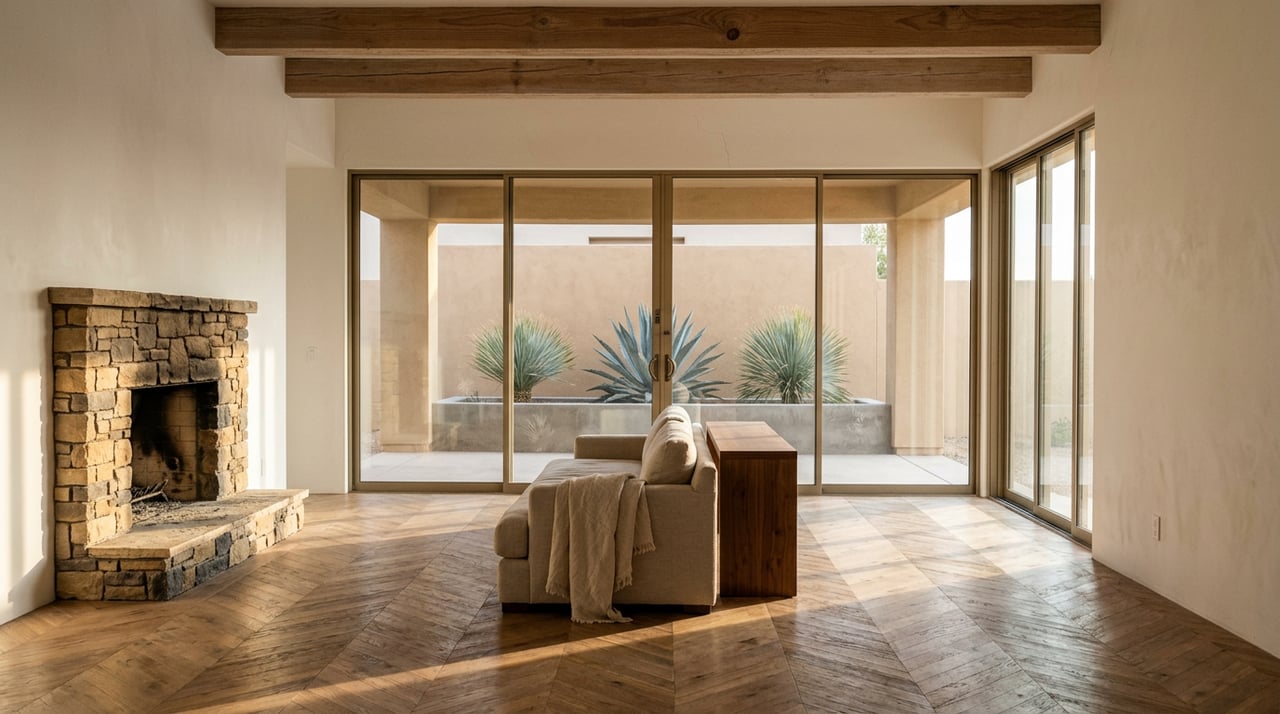
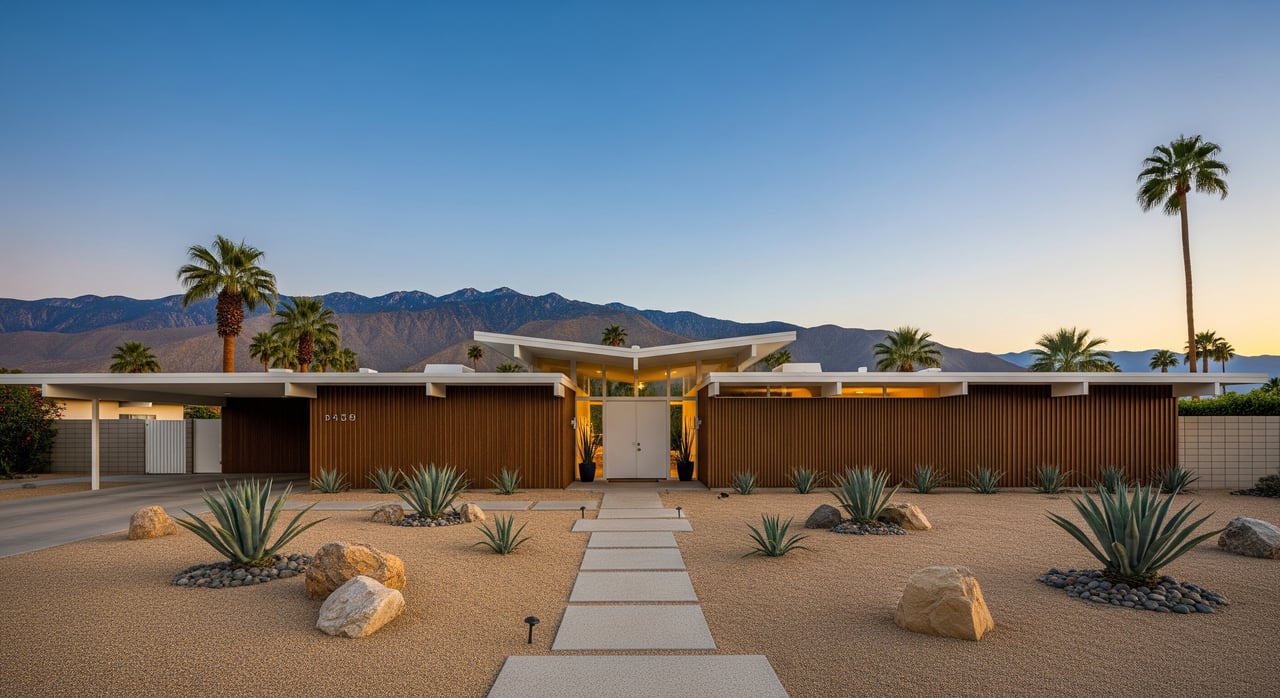
Palm Springs saw a major building boom from the 1940s through the 1960s. Architects like Albert Frey, Richard Neutra, E. Stewart Williams, John Lautner, and Donald Wexler helped define the city’s desert Modern style. You see post-and-beam structures, clerestory windows, glass walls, and low-slung roofs that blend indoor and outdoor life.
The city’s preservation culture is strong. Modernism Week draws design fans each year, and local preservation groups and city programs document historic resources. For you, that means better access to house histories, architect attributions, and thoughtful restorations across many neighborhoods.
How to choose your neighborhood
Start with how you plan to use the home. If you want to stroll to dinner and galleries, downtown-adjacent areas will top your list. If privacy, views, and larger lots come first, you will likely head south or into estate pockets. Keep renovation goals in mind too, since lot sizes and original construction vary by area.
Neighborhoods at a glance
Movie Colony
- Character and vibe: A signature mid-century address with tree-lined streets and a mix of modest bungalows and architect-designed homes. Historic Hollywood ties add to the allure.
- Lifestyle and walkability: High walkability to downtown dining, the Palm Springs Art Museum, and many design events. Ideal if you want a walkable, design-rich setting.
- Renovation outlook: Many homes keep original materials. Plan for systems upgrades and pool work where needed, and inspect original details closely.
- Market snapshot: Consistently in demand due to authenticity and proximity to the core. Expect premiums versus more peripheral areas.
Vista Las Palmas and Twin Palms
- Character and vibe: Quiet, palm-lined streets with larger lots and notable mid-century estates. Feels more like a private, suburban enclave.
- Lifestyle and walkability: Lower walkability than Movie Colony, but quick bike rides or drives reach downtown. Suits buyers who value privacy and classic estate settings.
- Renovation outlook: Larger lots support expansions, ADUs, and curated outdoor living. Renovations can be costlier per project but offer higher upside when done to mid-century standards.
- Market snapshot: Sits in a higher price bracket thanks to lot size and estate feel.
Racquet Club Estates
- Character and vibe: A beloved enclave of mid-century modern and ranch-style homes with strong MCM identity. Easygoing streets and a connected community vibe.
- Lifestyle and walkability: Moderate walkability with quick drives to dining and shops. Good blend of calm and access.
- Renovation outlook: Smaller footprints and original finishes create opportunities for sensitive restoration or smart modernization. Contractors with MCM experience are common here.
- Market snapshot: Popular with design buyers and can offer relative value versus celebrity-associated pockets, depending on condition.
Deepwell Estates and East Palm Springs
- Character and vibe: Relaxed, residential feel with mid-century ranch and modern homes. Mature palms and some foothill views add appeal.
- Lifestyle and walkability: Varies by block, with more driving to downtown in many sections. A good match if you want space and quiet.
- Renovation outlook: Many homes have past updates. Lots often allow additions or fresh landscaping to shape your indoor-outdoor flow.
- Market snapshot: Often more affordable than downtown-adjacent areas, attractive for buyers seeking room to spread out.
Old Las Palmas
- Character and vibe: Large lots, mature landscaping, and an eclectic mix of styles that includes notable mid-century homes. Classic Palm Springs ambience.
- Lifestyle and walkability: Many pockets are very walkable to the core. Appeals if you want larger parcels close to amenities.
- Renovation outlook: Big lots support thoughtful updates, but styles vary. Decide whether you prefer strict MCM or a blended approach.
- Market snapshot: A premium neighborhood given lot sizes and proximity to downtown.
Warm Sands and South of Palm Canyon
- Character and vibe: Smaller mid-century bungalows, duplexes, and single-story homes. A modest scale with authentic mid-century character.
- Lifestyle and walkability: Very walkable to the Design District and Palm Canyon Drive. Great if you want a lively, close-to-everything base.
- Renovation outlook: Smaller properties can be more accessible entry points. Expansion depends on lot size and zoning.
- Market snapshot: Often positioned as a more approachable way to own authentic MCM near downtown.
South Palm Springs and Indian Canyons Foothills
- Character and vibe: Desert-forward settings with some hillside parcels. Many homes maximize views and indoor-outdoor living.
- Lifestyle and walkability: Less walkable to downtown, more about privacy, vistas, and a strong desert backdrop.
- Renovation outlook: Hillside lots may add complexity for grading and permits but can yield standout view properties.
- Market snapshot: Prices vary widely. Unique view homes can command premiums while other parcels offer value away from services.
Buying and renovation realities
Mid-century homes reward careful due diligence. Plan ahead for the most common systems and maintenance items:
- HVAC and insulation: Original construction often lacks modern insulation, and older units are common. Budget for replacements or ductwork upgrades.
- Windows and glazing: Steel frames and single-pane glass are characteristic but inefficient. Preserving the look with custom solutions can be costly.
- Pools and equipment: Many pools are original. Expect updates for surfaces, equipment, and current safety codes.
- Roofs, pests, and structure: Flat or low-slope roofs need close inspection. Check for termite or drywood beetle activity and any structural concerns.
- Electrical and plumbing: Panel upgrades and replacement of cast iron or galvanized piping are common in older homes.
Historic status, permitting, and incentives
Palm Springs tracks historic resources and maintains preservation programs. Some homes or districts may be listed or surveyed, which can affect alterations or offer tax incentives. If you are planning a remodel or addition, connect early with the City’s Planning and Building departments and the Historic Preservation staff to understand guidelines, reviews, and potential benefits.
Short-term rentals and occupancy
Palm Springs regulates short-term rentals. Owners need to register and follow current rules, which have evolved to address community impact. If you plan occasional personal use or limited renting, confirm today’s registration requirements, allowable uses, and enforcement details with the City before you close.
Pricing and competition
Demand for authentic mid-century homes is fueled by design appeal, downtown access, and cultural events. Downtown-adjacent neighborhoods often command higher prices per square foot. Because inventory and pricing shift, lean on up-to-date local market reports and on-the-ground expertise to understand value, strategy, and timing.
Your next step
If you want an original classic to restore or a move-in-ready estate, you will find a Palm Springs neighborhood that fits your style and goals. We help you compare areas, vet houses for authenticity and systems, and plan projects with preservation-minded contractors. Ready to start? Schedule a consultation with Luca Volpe to map your search and tour the right mid-century homes.
FAQs
What defines a Palm Springs mid-century home?
- Most were built from the 1940s through the 1960s and feature post-and-beam construction, glass walls, clerestory windows, and low-slung roofs that connect indoor and outdoor spaces.
Which neighborhood is most walkable to downtown for MCM homes?
- Movie Colony and parts of Old Las Palmas and Warm Sands offer strong walkability to restaurants, shops, and cultural venues near the city core.
What are common renovation costs for MCM homes?
- Costs vary by scope, but systems upgrades often run into the tens of thousands, and full restorations can reach mid-five to six figures or more; obtain multiple bids from MCM-experienced contractors.
Are there limits on changing a mid-century home’s exterior?
- Possibly; if a property is listed or within a surveyed or designated historic area, exterior changes may require review, so check local historic status before you plan work.
Can I operate a short-term rental in Palm Springs?
- Yes, subject to registration and current city rules; confirm today’s requirements with the City’s short-term rental program before purchasing if STR income is part of your plan.
Do hillside mid-century homes need special approvals?
- Often; hillside properties can trigger geotechnical studies, grading permits, and additional reviews, which add time and cost but can also protect long-term value.
How do I find contractors who understand mid-century design?
- Palm Springs has a strong pool of MCM-focused professionals; review portfolios for sensitive restoration work and ask for references from recent local projects.